
Auburndale Park

new england

The Charles really isn’t that long of a river. It travels west and slightly south about 30 miles to the quiet town of Hopkinton, MA, outside of the 95 belt in the Boston metro. Its mighty size close to Harvard is a little deceiving in this regard. The size of the river ebbs and flows quite drastically along its route when traveling upstream (if you are in Boston, downstream is, well, the ocean). One such park where you can observe this variation is Auburndale Park, a nice recreational area with an attached nature preserve. This area of the Charles is often called the Lakes District due to the backing up of the river into large pools after a dam installation, and was a popular vacation destination for Bostonians before cars became a major mode of transportation.
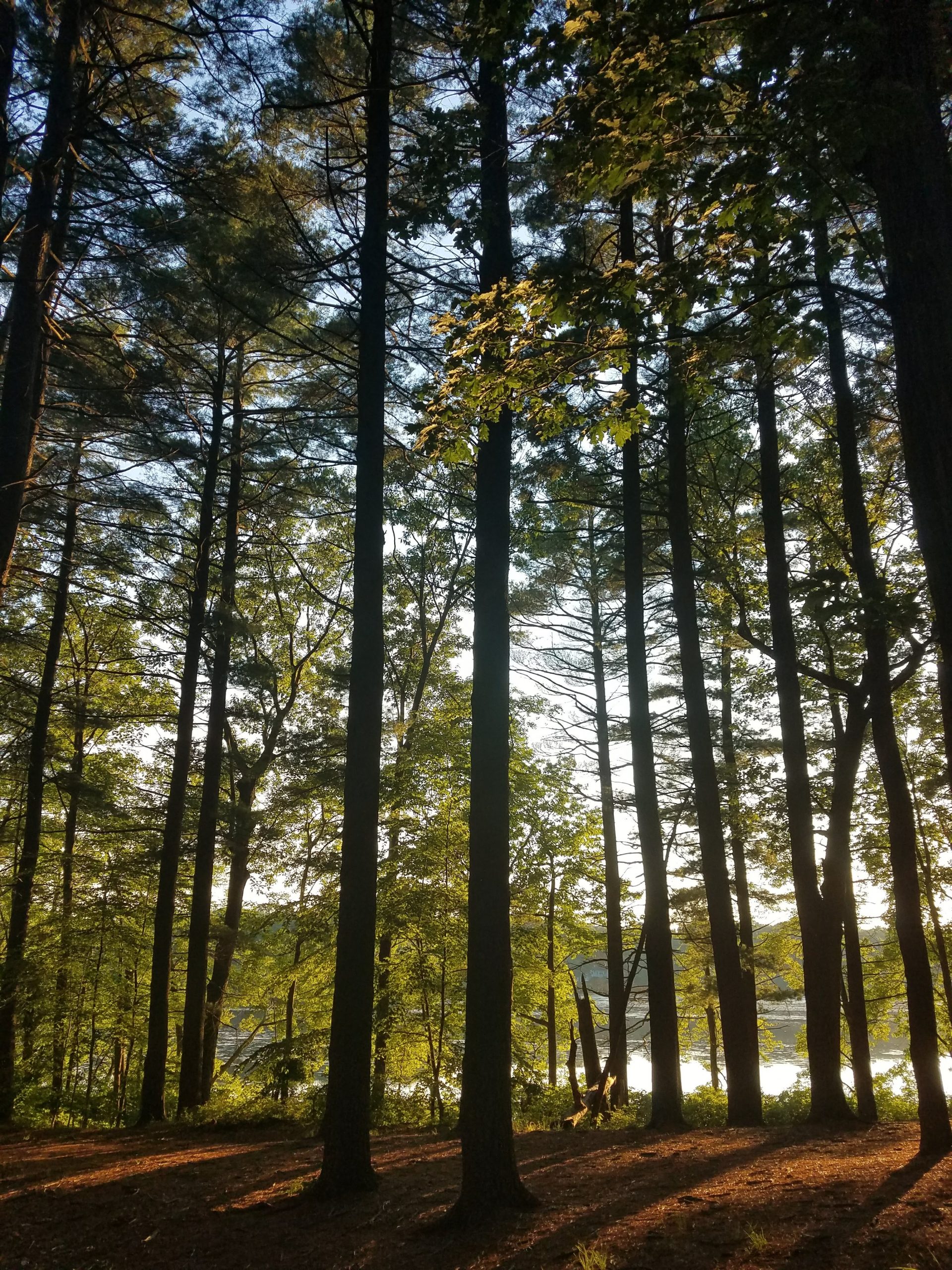
A heavily white pine section of Auburndale Park

The park itself has a bit of variation in terms of visible foliage. Some areas are almost purely white pine. It’s unclear if this is the case because the park management clears the area for fishing and picnicking, or if there’s something unique about the soil composition. Other areas are quite dense with a variety of deciduous trees.
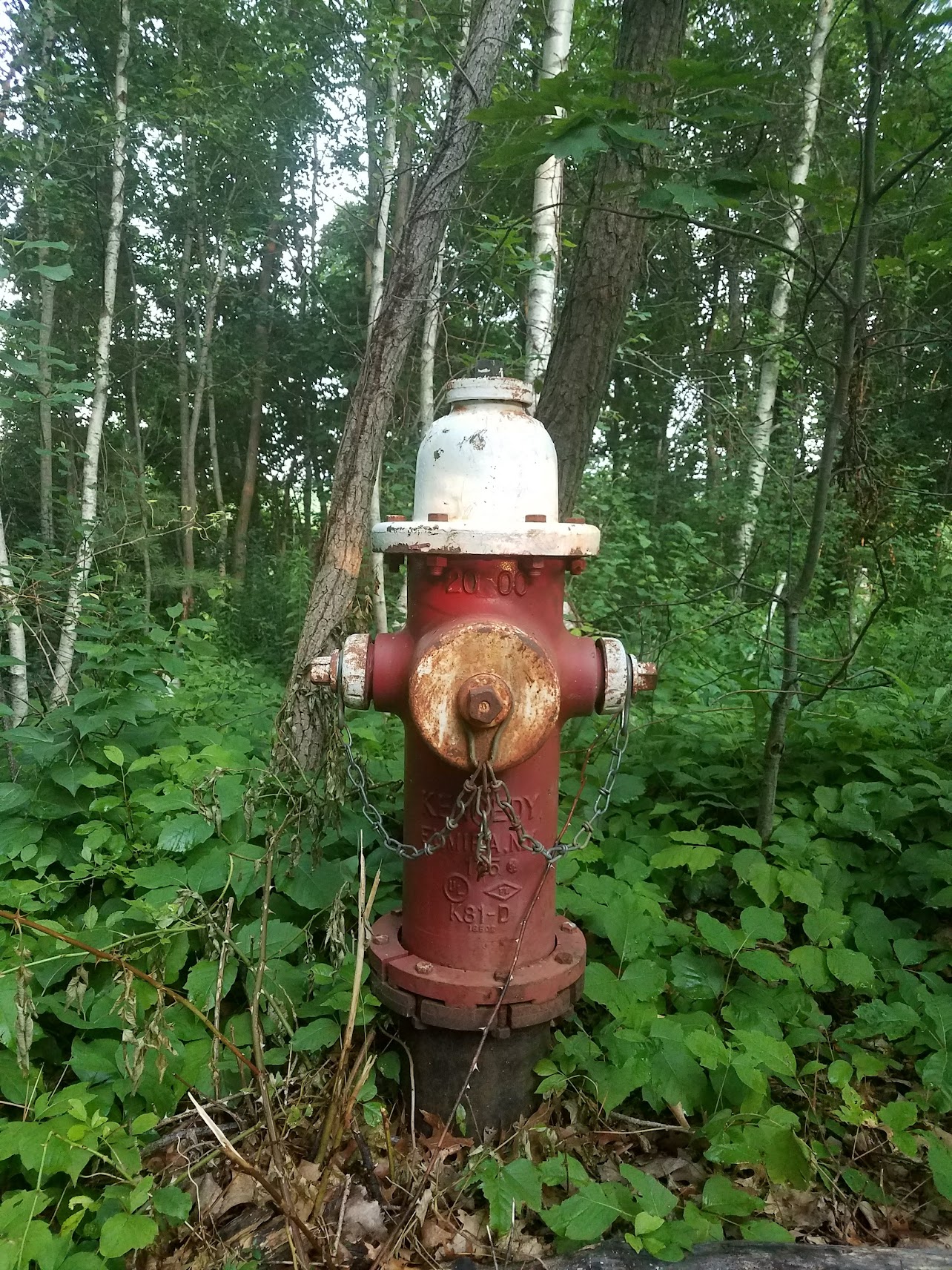
My favorite finding in the foliage, a very random fire hydrant

On the northern side of the park, known as Flowed Meadow, the area is highly residential and signs of the city blend into the natural landscape. Walk far enough and you will see a dumpster outside of the Riverwood Condominiums. I suspect this may have been where a raccoon I spotted was getting some free lunch. He was perched on a tree directly over the path and would not stop staring at me. In case he god forbid jumped on my head I took it as a sign to turn around and head the other direction!
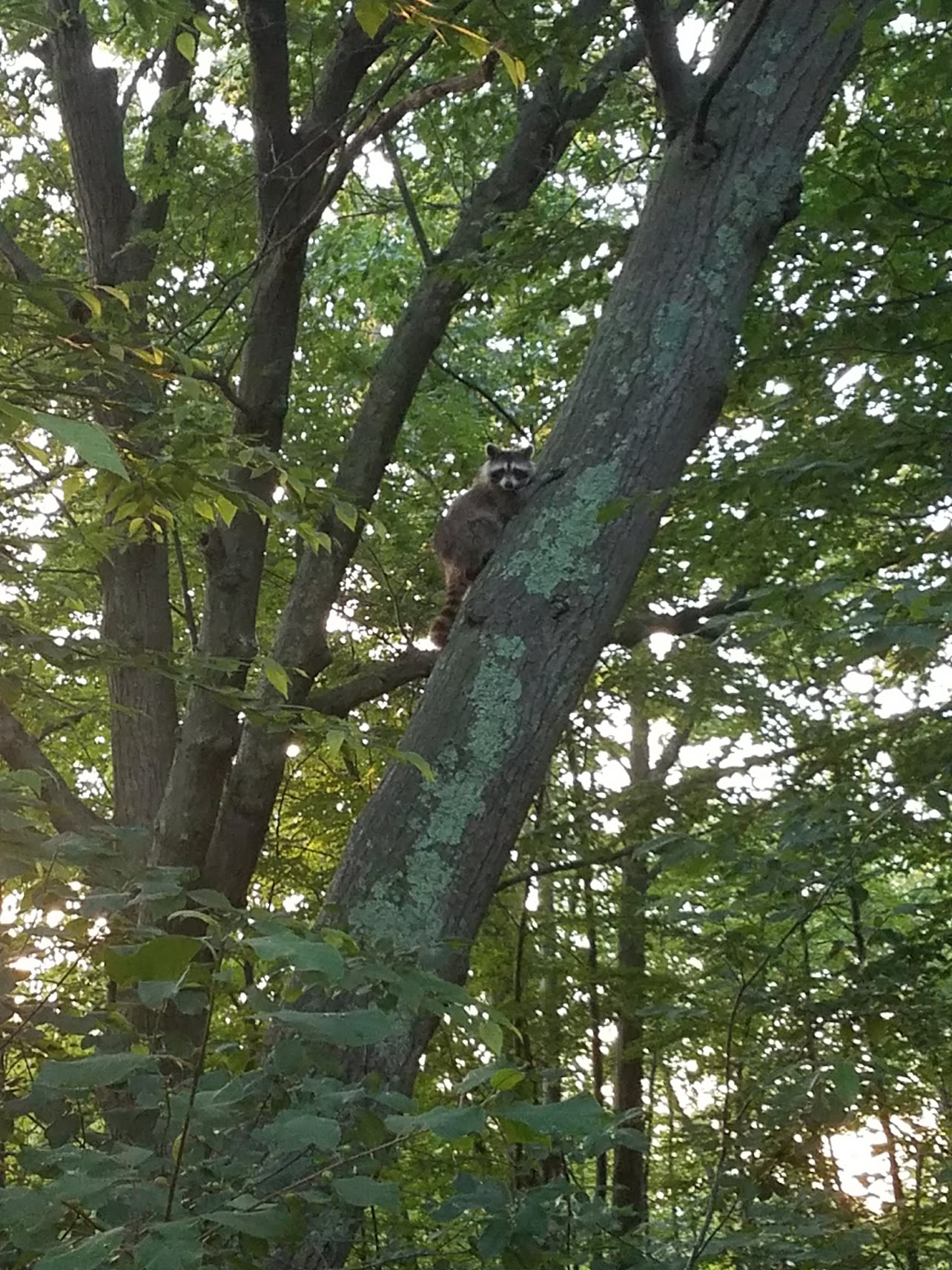
Raccoon seemingly guarding his lunch spot

The park snakes along the edge of the Charles as it winds into the historic watch city of Waltham. If you are wanting for views of the water you won’t be disappointed. The spot is very popular for fishing, and kayak launches are available up the street it you’d rather look out at the trees instead. The terrain across the park is extremely flat and great for casual nature walks. Look elsewhere if you are looking for a strenuous workout!

Auburndale Park features vehicle access with plenty of street parking. If public transit is more your thing, the park is about a 16 minute walk from the Auburndale commuter rail stop on the Framingham/Worcester line, and there are several bus routes that also come from downtown Boston.
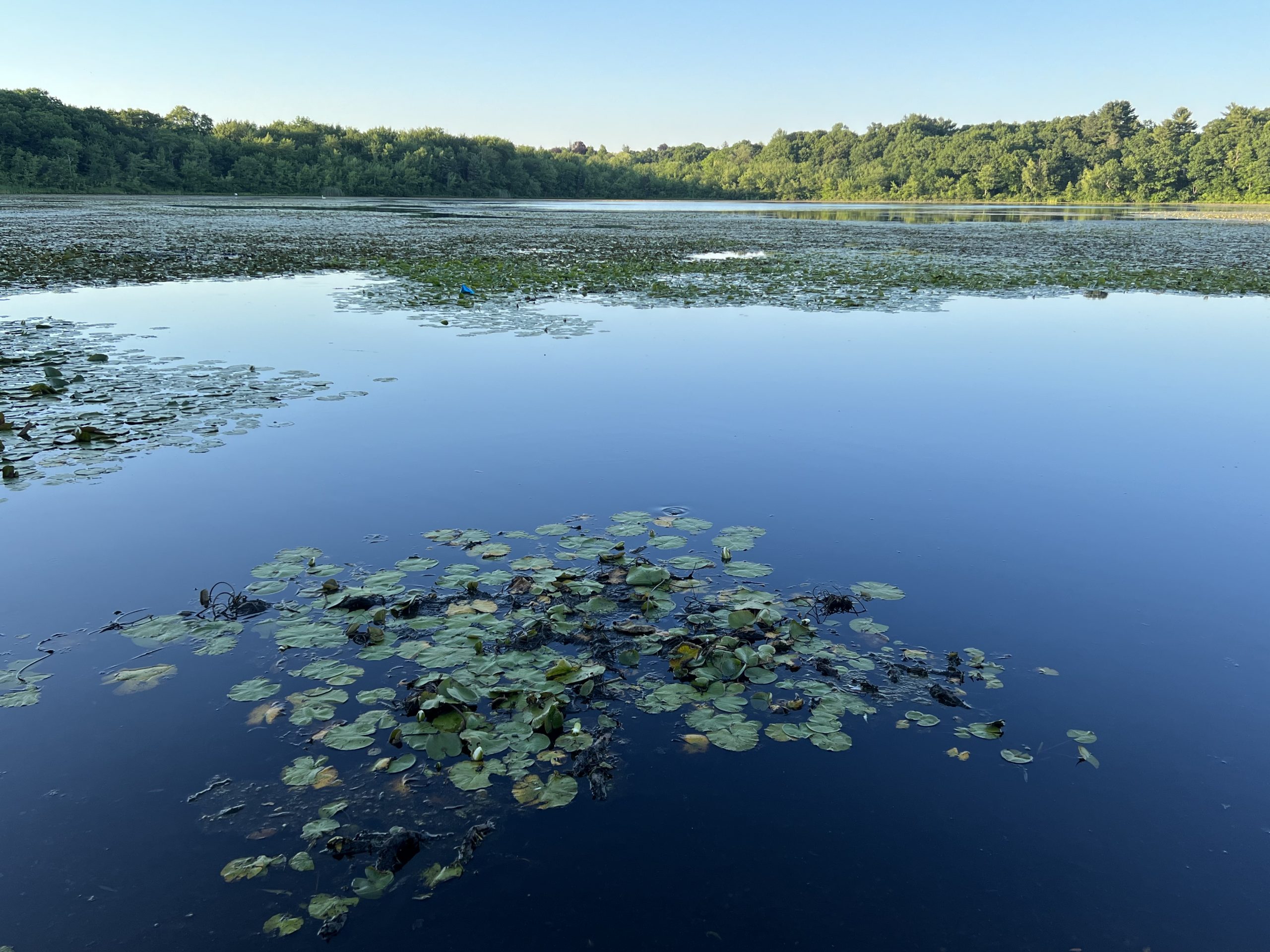
Hammond Pond

new england

In the early days of the pandemic I found myself in a small, local social bubble and spent a lot of time exploring nearby parks. Newton, MA is one heck of a green city and I was lucky enough to be next to several open spaces, one of them being Hammond Pond Reservation, which sits adjacent to (surprise surprise) Hammond Pond.

Hammond Pond is a massive pond (legally known as a great pond) at over 10 acres large, but apparently gets no deeper than 4 feet. Looks are a bit deceiving as the pond doesn’t look quite that large, perhaps because it’s encased in a canopy of trees. Great ponds are unique in that the government must allow fishing accessibility among a myriad of other interesting caveats.

View of Hammond Pond from the west

Unfortunately the southern area of the pond is aligned with a rather sad retail development that failed to capitalize on being next to a beautiful green space, and parking lots run along this edge, though the southern area of the retail space is being revitalized so is good spot to stop if you’re looking for a quick bite or a coffee. In the same lot you can park and access the reservation on the northernmost tip of the pavement. Another great option is to take the green line train if you are coming from Boston, which also boxes the reservation from the northern side, giving visitors an occasional glimpse of the snail paced trains. Once you are in the reserve though, the sense of being in the city fades away, the green line looking like a continental freight car traveling between beacons of civilization.

The park is popular with bicyclists and rock climbers due to its well worn paths and rocky Roxbury Puddingstone outcroppings (another uniquely Massachusetts geological feature I’d only recently heard of). The terrain is slightly hilly throughout but there are many flat paths you can stick to near the pond, which will eventually bring you to you to Houghton Gardens. If you are looking for a little more of a challenge, head directly north from the parking lot for steeper terrain. That being said, this certainly isn’t a mountain and all trails are fairly accessible to most hikers and children.

Hammond Pond lies within the Boston Basin ecoregion, a lower area of high erosion that encompasses the Boston Metro. The new growth forest here reflects the history of logging in the region and oak trees are very prevalent. You may also encounter some smaller growths of white pine, but there are often more impressive examples of this specimen further outside the city, in my experience. This ecoregion is encompassed by the broader Northeastern Coastal Forests Ecoregion, which consists of forest dominated by oaks and white pines, but also supports beeches, birches (these tend to be yellow, as opposed to white, which thrive in very new forests), and maple trees, as well as a slew of swamp and bog plants are a bit of an identification rabbit hole (don’t even get me started on willow trees). Interestingly, these secondary broadleaf trees are the ones we see start to dominate the canopy as we travel further north and west to higher elevations and higher latitudes; these are known as the northern hardwood trees, and you will most likely see small understory versions in areas like Hammond Pond.

As an out-of-towner, should you choose to spend your valuable time in Boston at Hammond Pond? Maybe not. It’s a small park and unless you are particularly interested in the ecosystems of greater Boston or really want to do some outdoor climbing while you are here, there may be more memorable places to go in the city. Regardless, it’s a lovely preservation area for walking if you need to escape the bustle for a bit.